
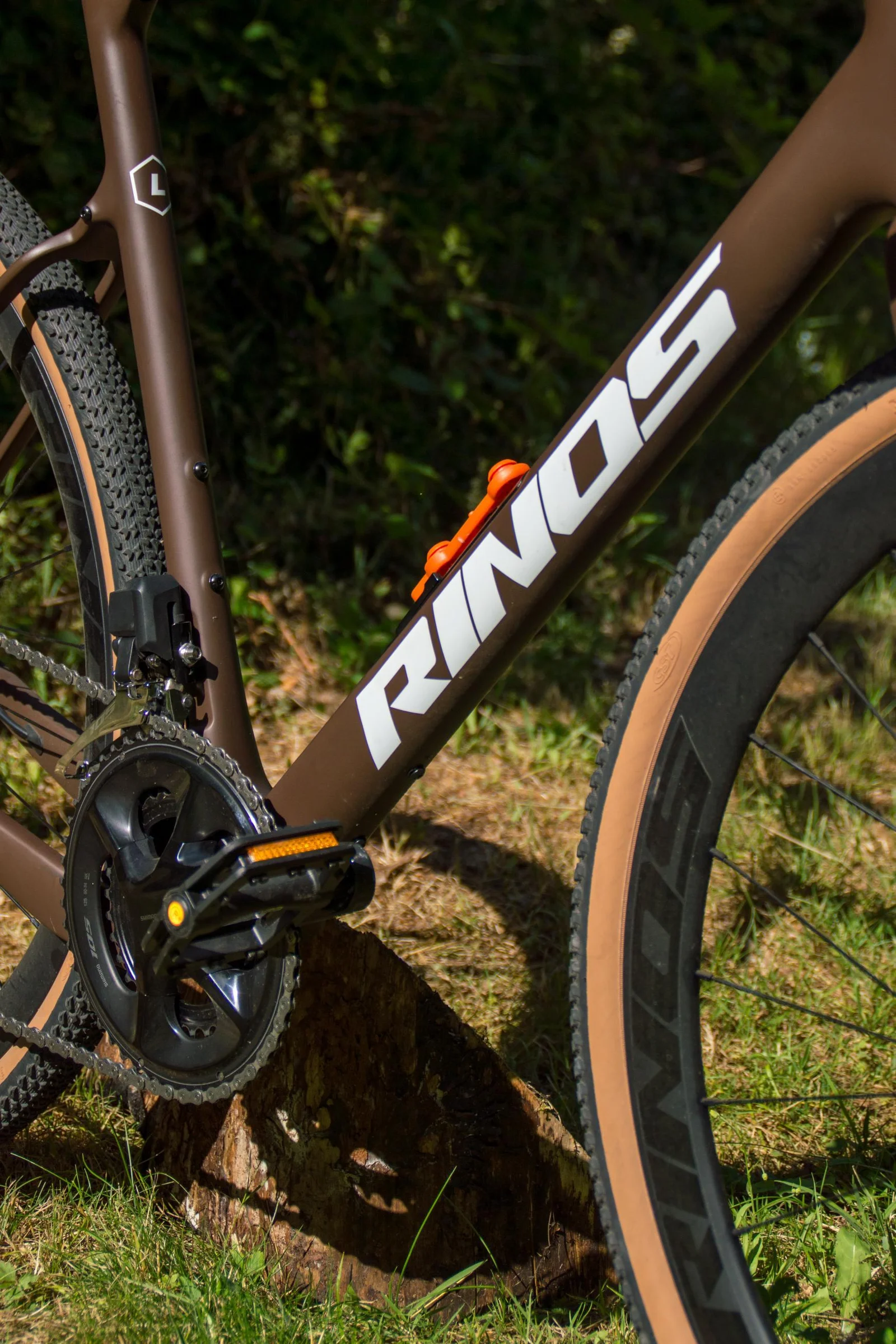
Shimano Di2 (Digital Integrated Intelligence) is an electronic shifting technology that has revolutionised the way cyclists change gears. First introduced in 2009 with Shimano's pro-level Dura-Ace groupset, Di2 replaces traditional mechanical cables with electronic switches, motors and a battery to execute gear changes. Since then, Di2 has become one of the most significant developments in road cycling — seven of the last ten Tour de France victories have been won on bikes equipped with Shimano Di2 groupsets.
How does Shimano Di2 work?
At its core, Shimano Di2 is an electronically controlled shifting system. Instead of pulling cables, you simply press a button on the shift lever, and an electrical signal is sent to small servo motors in the front and rear derailleurs. These motors move the chain precisely from one sprocket to the next, resulting in an instant and perfect shift every time.
A rechargeable lithium-ion battery (usually hidden inside the bike frame) powers the system and lasts for around 1,000 km per charge. The latest 12-speed Di2 systems (Dura-Ace, Ultegra and 105) use a semi-wireless design: the levers send signals wirelessly to the derailleurs, which are connected by cable to a central battery. This hybrid design saves battery power and maintains reliability while eliminating shift cables in the handlebar — for a cleaner cockpit.
The key benefits of Shimano Di2
Why switch to electronic? Di2 offers several compelling advantages over traditional mechanical shifting:
- Ultra-fast and precise shifting: Di2 executes shifts in a fraction of a second with perfect precision. No more missed gears — you click and the gear engages instantly, even mid-sprint or grinding up a climb under heavy load.
- Consistent performance, minimal maintenance: Because it's electronic, Di2 shifting doesn't degrade over time like cables that stretch or get contaminated. Every shift on day 1,000 is just as precise as on day one. No regular cable replacements or time spent fiddling with adjustment screws.
- Improved ergonomics: Shifting with Di2 is effortless — just a light press of a finger. No pushing levers through a long throw or fighting cable resistance, which is especially welcome on long rides or when wearing thick winter gloves.
- Advanced features: Di2 enables Multi-Shift (multiple gears with a single button hold), Synchronized Shifting (the front derailleur coordinates automatically with the rear derailleur) and full reprogramming of the buttons to your liking via the E-TUBE app.
- Cleaner aesthetics: Without visible shift cables in the handlebar, the cockpit looks tidier and the overall appearance more modern and refined.
The Shimano E-TUBE app
One of the most interesting aspects of Di2 is the ability to customise and monitor the system via the Shimano E-TUBE Project app (available on smartphone or PC). This app connects wirelessly to your Di2-equipped bike and allows you to:
- Update firmware and pair components wirelessly
- Activate Synchro Shift or Semi-Synchro mode (automatic front derailleur)
- Configure Multi-Shift (number of gears per button hold and scroll speed)
- Reprogram button functions to suit your riding style
- View real-time battery status and run diagnostics
- Create profiles for multiple bikes
The Di2 range: all available groupsets
Di2 is now available in several Shimano groupset families:
- Dura-Ace Di2 (R9250): Shimano's flagship road groupset, 2×12 speed. The pinnacle of light weight and performance. Since 2022, there has been no mechanical version in Dura-Ace 12-speed.
- Ultegra Di2 (R8150): Nearly identical performance to Dura-Ace at a lower cost. 2×12 speed semi-wireless. The same technology, a few grams heavier.
- 105 Di2 (R7150): In 2022, Shimano democratized Di2 with the 105, making electronic shifting accessible to a much wider audience. 2×12 speed, disc brakes only. Our Odin 6.1 comes equipped with this groupset.
- GRX Di2 (RX815/RX825): The Di2 for gravel. The GRX 815 (11-speed) has been around since 2019, and the new GRX 825 (12-speed, 2024) brings the same semi-wireless technology to gravel roads and off-road adventures. Available on our Sandman 8.
Di2 or mechanical: which should you choose?
Mechanical shifting has real advantages: lower cost, easier roadside repairs, tactile feedback that some cyclists appreciate, and no battery to charge. It's a valid choice, especially for tight budgets or adventurers riding in remote areas.
However, mechanical shifting has its drawbacks: it requires more effort to shift, deteriorates over time due to cable stretch and contamination, and needs regular adjustments to keep performing well.
Di2, on the other hand, fundamentally changes the riding experience. Once you get used to the smoothness and speed of the shifts, it's hard to go back. It's the choice of the vast majority of pros and demanding cyclists — and the clear direction the industry is heading for high-performance groupsets.
In short: if you prioritize simplicity and budget, mechanical will serve you very well. If you want top performance and price is no obstacle, Di2 is an investment that genuinely and permanently improves your riding experience.